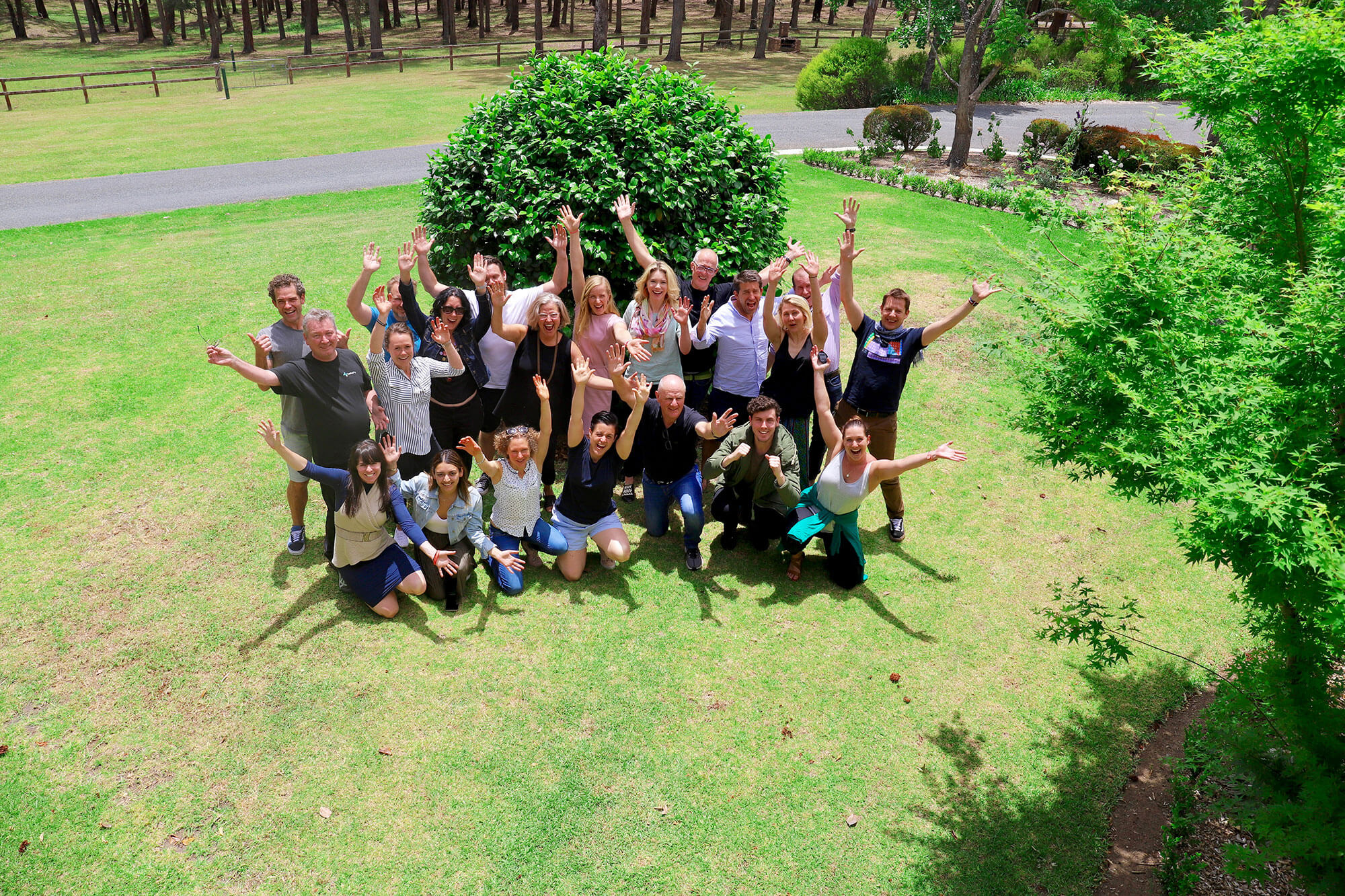
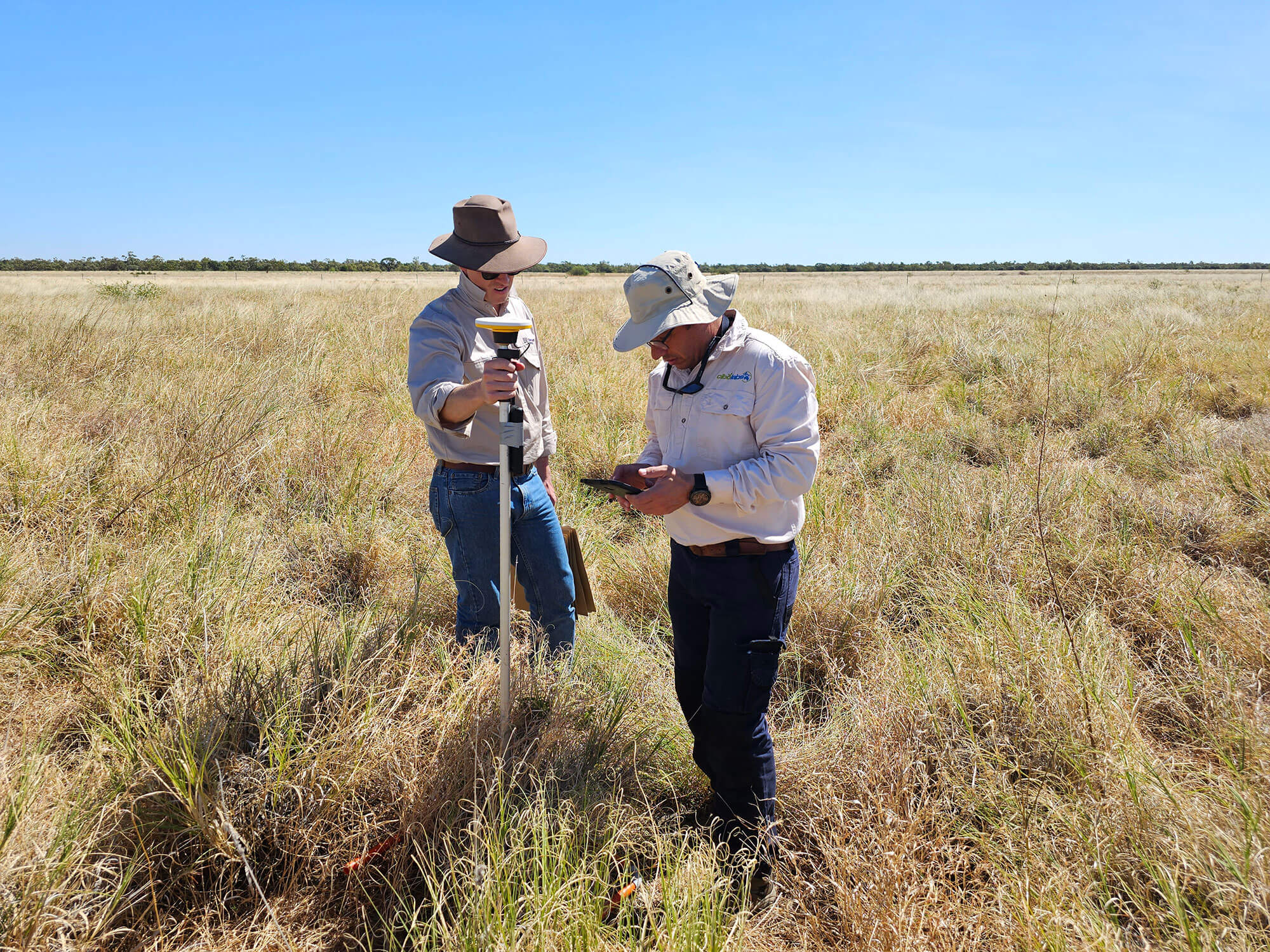
All good things must come to an end.
Including our life as a Cooperative Research Centre (CRC).
Way back in October 2016 we submitted our bid to become a CRC, seeking $50m from the Federal government through its funding programme. Our successful bid complemented the $150m in cash and in-kind commitments we raised through 54 participants, including:
Since then, we have transformed that $50m government grant and $150m investment into a $400m research portfolio featuring over 60 research projects with more than 120 agrifood partners. Our portfolio is estimated to generate an economic impact of $10bn by the end of our life as a CRC in 2027.
Now surely you agree that's reason enough to celebrate.
So, as we approach the final stages of our life as a CRC, we want to take the opportunity to showcase our core achievements as an organisation, and to thank our partners and contributors that have played an immensely important role in our journey.
This special one-off event will highlight our achievements and bring together the people and partners that have made a valuable and lasting contribution to the Australian agrifood sector since 2017.
Join us, government representatives, agrifood leaders, researchers and scientists in Canberra on Tuesday 5 May 2026 for the Food Agility Congress.
Tickets will be limited, so we encourage you to register your interest early.
And, if you thought this was the end of the Food Agility story, think again. We'll have more to say about that at the Congress.
*Impact calculator independently assessed by ACIL Allen
Dr Mick Schaefer is the third CEO of Food Agility CRC, serving in the role since 2023. Mick will use this address to celebrate the Food Agility DNA; exploring how we build a positive and collaborative culture within our project teams, how deploying agile project methodology ensures successful outcomes, and why being a hands-on co-investor in project is a must.
Innovation and research occurs in waves. In the early days, Food Agility was deeply ingrained in blockchain and agtech innovation, before data privacy and ownership became a core focus. The artificial intelligence (AI) and machine learning (ML) boom was to follow, and present day has us working within traceability and verifiable credentials. Our Chief Scientist Professor David Lamb has been there every step of the way - riding the waves of innovation and research. Dave will tie in each of these threads as we look back on 10 years of collaboration and innovation.
Curtin University's Centre for Crop and Disease Management (CCDM) conducts research that provides farmers with long term solutions for managing crops and major pathogens.
Since its establishment in 2014, CCDM's discoveries have helped growers, breeders, agronomists and life science companies adapt and improve the profitability and sustainability of Australian cropping systems, with a focus on fungicide resistance, genetics, agronomy and agribusiness research.
Hear from Associate Professor Julia Easton, the Development Manager for Research Innovation at the CCDM and a former Food Agility CRC employee, on the collaboration between Curtin University and Food Agility.
The state-of-the-art Radio Frequency and Communications Technologies (RFCT) lab boasts over $3m of equipment and is home to an array of unique R&D facilities.
Director, A/Prof Negin Shariati, will explain the research direction and strategy of the lab and how she has fostered a culture of world-class RF design, fabrication, testing and pre-compliance verification facilities.
Australian agricultural trade is shifting, and fast. Regardless of whether produce is bound for local shelves or global markets, growers need to stay ahead of tightening regulations and sharper consumer expectations.
That’s especially true when it comes to factors such as provenance, nutritional content, and animal welfare. This session examines how data and traceability safeguards product integrity and strengthens the supply chain.
Following on from a Case Study presentation, Food Agility Board Director Mick Keogh OAM will lead a dynamic panel of experts to delve into what recent research tells us and where the real opportunities lie.
There will be opportunities for audience engagement in this session.
The Centre for eResearch and Digital Innovation (CeRDI) at Federation University focuses on multidisciplinary research in the application of advanced information and communications technology (ICT) to bring about digital transformations and practice change, together with enhancements in effectiveness and productivity in industry, government and academia.
Carbon and Natural Capital is one of Food Agility CRC’s three core research pillars. From measuring soil organic carbon to building credible sustainability accounting tools, biomass presents real commercial opportunity.
This session begins with a case study presentation looking at how one of Australia's iconic agricultural brands has advanced its business goals through collaboration with Food Agility CRC.
Following that, a panel featuring four experts from two of Food Agility’s largest initiatives - Rangelands Carbon and Foragecaster - will reflect on the research conducted with Food Agility while identifying how producers can lift soil productivity and their bottom line.
The discussion will be moderated by Dr Rob Wilson AM, with the opportunity for audience participation throughout.
In collaboration with RMIT University and Harmony Agriculture & Food Company, AI for Cattle Monitoring is a Food Agility CRC project on track to deliver a fully automated visual surveillance system using state-of-the-art AI technologies tailored for feedlot operations, and designed to provide continuous, accurate, and automated animal health & welfare monitoring.
In what is an Australian industry first, our research project with Craig Mostyn Group, Beanstalk AgTech, Curtin University, Pork Innovation WA, Xsights Digital, and DPIRD WA delivered a digital sustainability platform for ESG reporting in pork production.
Director at Beanstalk Agtech, Grant Gilmour, will present a demonstration of the platform.
Kaara Klepper is the Executive Director of Broadacre Systems at the Department of Primary Industries and Regional Development (DPIRD), Western Australia. In this presentation, she will outline how the department's collaboration with Food Agility CRC has helped advance its research and development goals.
Research and innovation go hand-in-hand. Professor Dave Lamb returns to do what he does best - synthesize what we've learnt throughout the Congress.
Delivering the closing address of the 2026 Food Agility Congress will be Richard Norton. Managing Director of Food Agility Consultancy, Richard will outline what's ahead for the organisation beyond 2027.
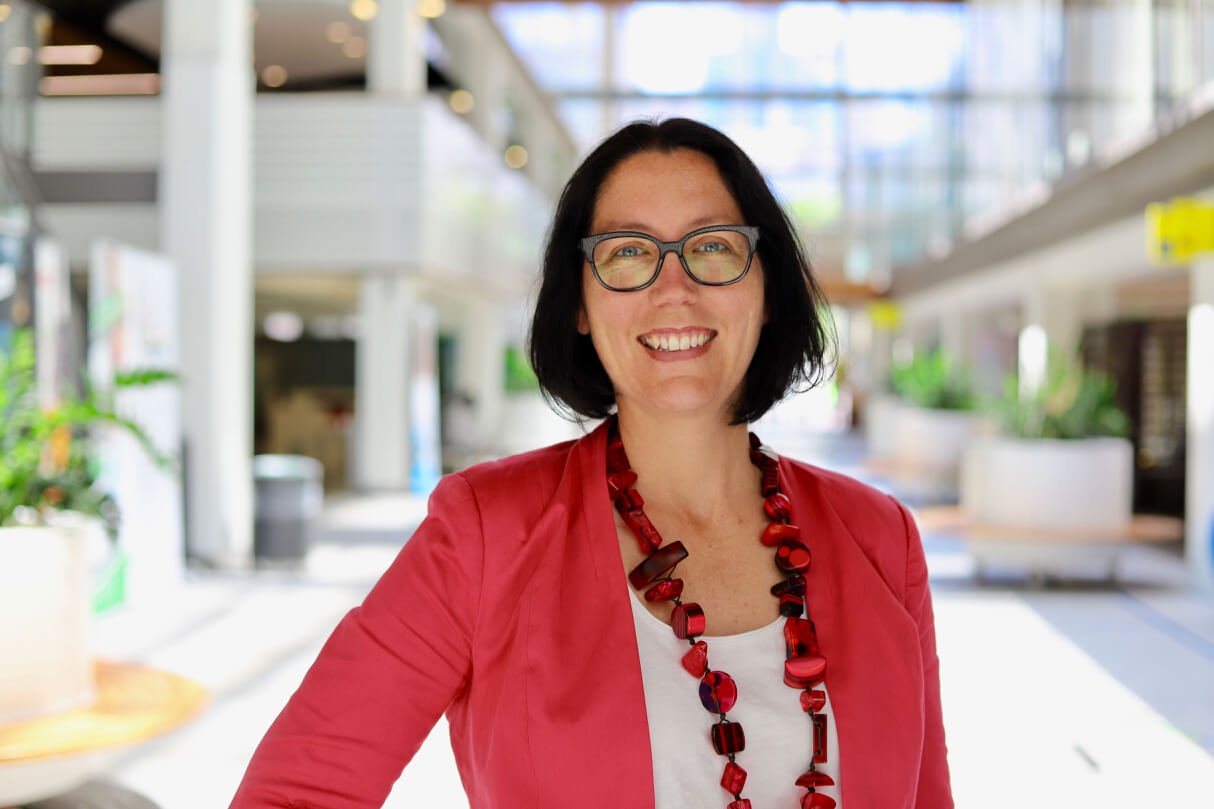
Julia Easton is the Development Manager for Research Innovation and an Associate Professor in the Centre for Crop and Disease Management at Curtin University. She is a Plant Physiologist with a long track record in farming systems, agronomy, spatial data analytics and precision agriculture research and development in more than 250 projects over the past 20 years. Her career has been dedicated to translating demand-driven research into industry practice change within Australian broadacre agriculture, as an academic and research leader. Since 2019, Julia has been based at the Centre for Crop and Disease Management (CCDM), following 12 years in industry and research management roles.

Dr. Negin Shariati is an Associate Professor in the School of Electrical and Data Engineering, Faculty of Engineering and IT, University of Technology Sydney (UTS), Australia. She is also the Director of Women in Engineering at IT (WiEIT) with the Faculty of Engineering and IT, driving positive change in gender equity and diversity in STEM. Dr. Negin Shariati established the state of the art RF and Communication Technologies (RFCT) laboratory at UTS in 2018, where she is currently the Director and leads research and development in Communication Technologies, Low-power Internet of Things Devices, RF Energy Harvesting and Sustainable Sensing Solutions. As the Founder and Director of the RF and Communication Technologies (RFCT) Lab, Dr Shariati has established a cutting-edge R&D facility equipped with over $3.5M worth of equipment. She is responsible for defining the research direction and strategy of the lab and equipping RFCT with world-class RF design, fabrication, testing and pre-compliance verification facilities. The Lab comprises over 30 core members, PhD candidates, associate members, and visiting scholars from UTS, national and international institutions. Under her leadership, the Lab has achieved remarkable success in obtaining R&D grants, industry projects, impactful research translations, high-quality publications, and nurturing multidisciplinary collaborations. She leads a research team of 18 members, including senior researchers, senior engineers, research assistants and PhD students.
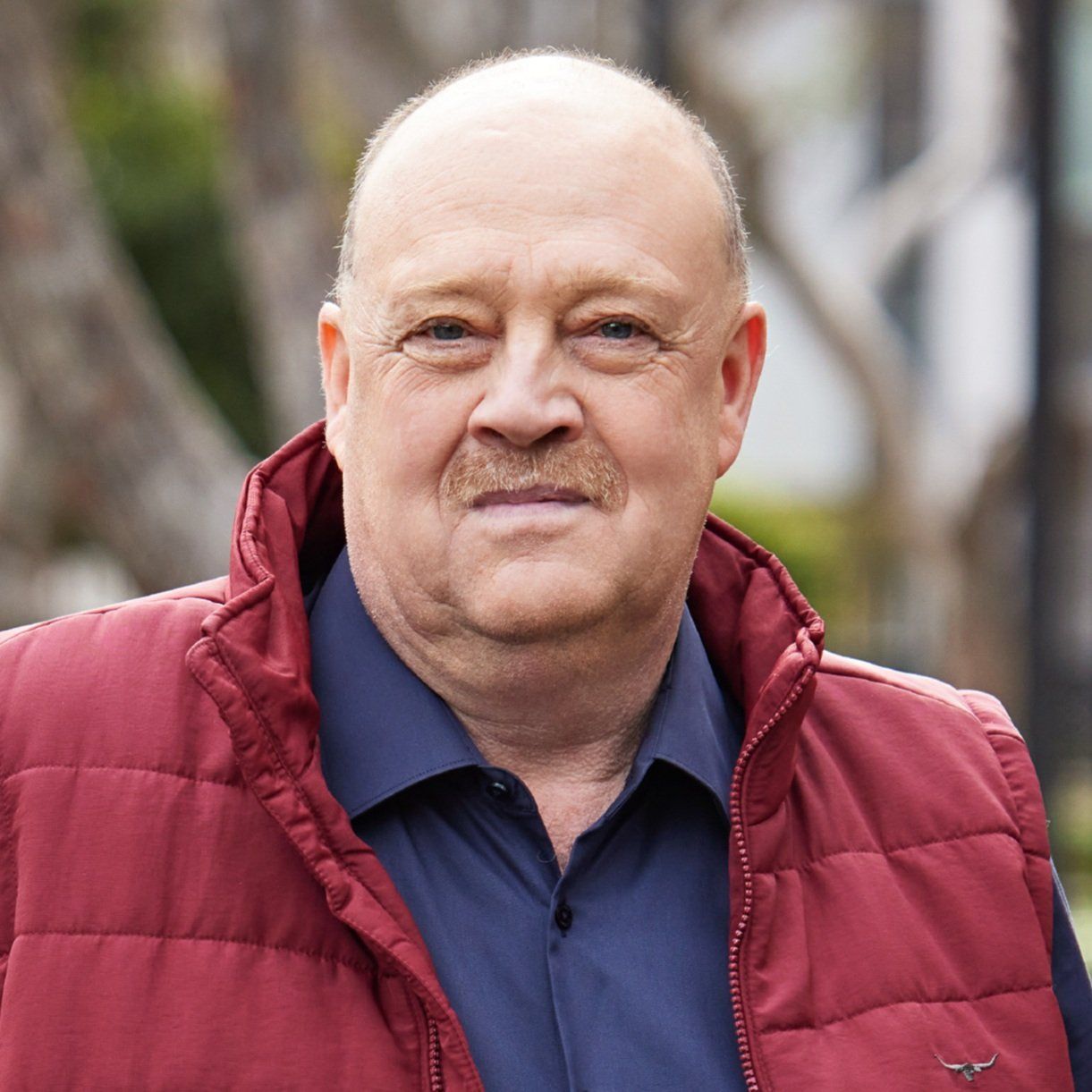
Anthony Fellows is CEO and a co-founder of Harmony Agriculture & Food Company. Harmony is a leading Australian producer and exporter of world-class beef to more than 14 countries globally including China. It produces more than 4,500 tonnes of premium Wagyu branded beef each year and is one the world's top 10 largest producers. Anthony's career spans more than four decades across international trade and export, meat and livestock production, and agribusiness management. It has enabled him to develop long-term relationships in China, and many other parts of the world, as well as an integrated supply chain in the domestic market.
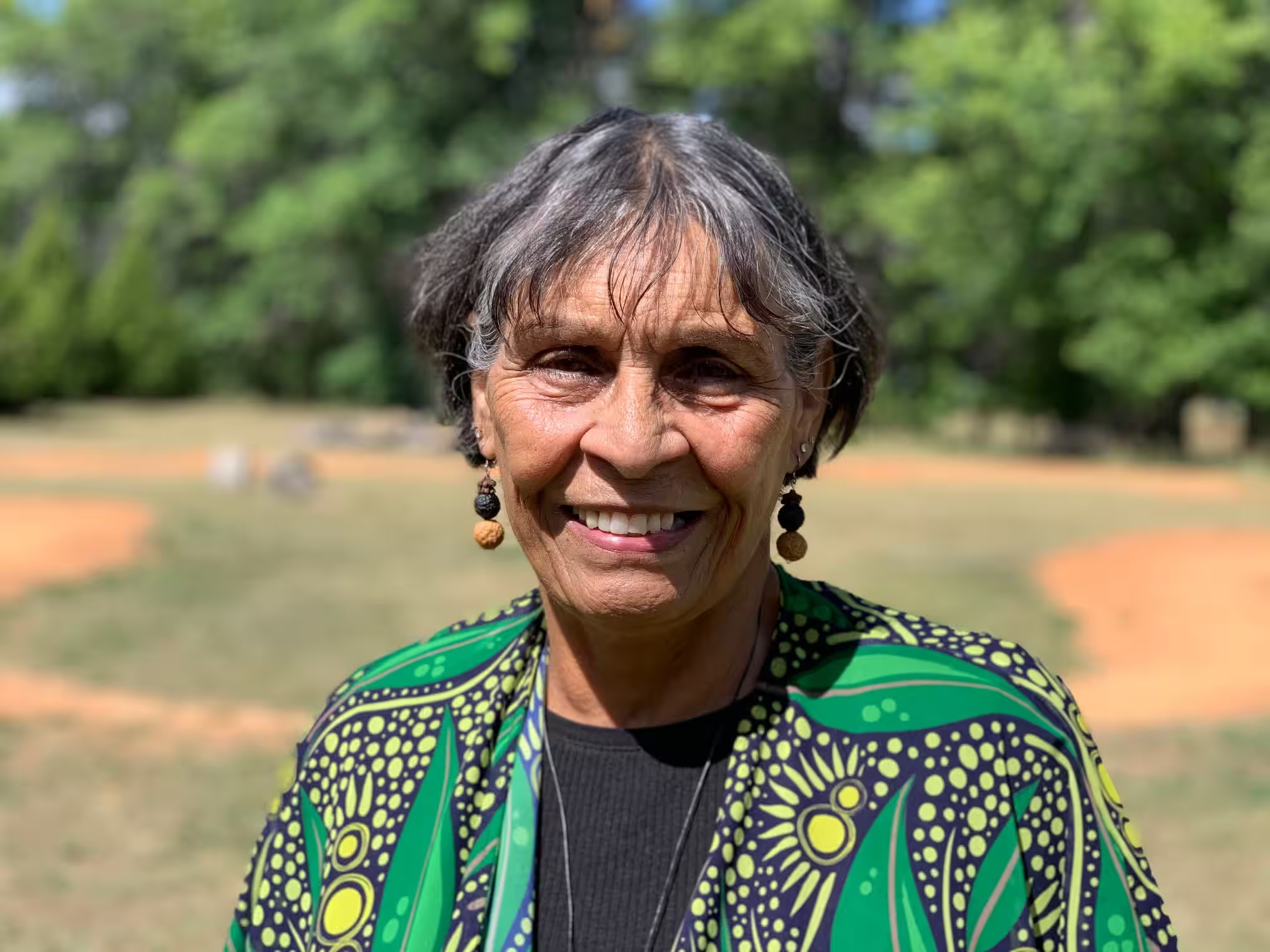
Aunty Violet Sheridan is a pillar of the community in Canberra and the region. She is a passionate Ngunnawal Elder who shares her cultural knowledge and expertise with the entire community. She generously donates her time at events, schools, and for a broad range of organisations – in a bid to bring all Australians together.

Dave Harris was appointed Managing Director and CEO of Australian Agricultural Company in September 2022. He first joined AACo in 2016 and was the company’s Chief Operating Officer prior to his current appointment. Dave has worked extensively across the beef and cattle industry, including holding senior positions with Stanbroke and Smithfield Cattle Company. As an Executive Dave has a strong track record building and running integrated supply chains and is passionate about innovation and building resilience in agricultural strategic frameworks. Dave holds a Bachelor of Rural Science from the University of New England, specialising in ruminant nutrition and meat science.

Distinguished Professor Fang Chen is a globally recognised leader in AI and data science, with deep expertise spanning the full lifecycle of AI innovation from foundational research to large-scale real-world deployment. She is the Executive Director of the Data Science Institute at the University of Technology Sydney and previously served as the Dean of the Faculty of Computer and Information Technology at Beijing Jiaotong University. She has also held senior leadership roles at Intel, Motorola and CSIRO. Professor Chen has delivered transformative AI solutions across sectors, including agriculture, where she has advanced emission estimation for the agriculture sector, developed precision farming models using remote sensing, and created AI-powered systems for crop yield prediction, livestock monitoring and greenhouse horticulture. Her work also includes explainable AI methods for understanding climate and microclimate impacts on agricultural productivity.

Chair of the Food Agility Board, Dr Anne Astin is a distinguished food scientist and highly regarded administrator. She has held executive positions in government, industry research and development, and advocacy organisations. She is the current Board Chair of Agriculture Innovation Australia, Deputy Chair of the Victorian Fisheries Authority and a Director of the Victorian Adult and Community Further Education Board She also holds non-remunerated positions in the community service not-for-profit sector including Board Chair of Good Shepherd Australia New Zealand and Trustee of Kildare Ministries. In 2020, Anne was awarded an AM in the Australia Day Honours for her services to Australia’s dairy industry and to food safety regulation. In 2011, she was awarded the Public Service Medal in the Victorian Division of the Queen’s Birthday Honours for her services to the dairy industry, national food regulation and rural women. In 2010, she was inducted into the Victorian Women’s Honour Roll for her work in biochemistry and as an advocate of women’s leadership. In 2010, she also received the Australian Dairy Industry Council’s Outstanding Service Award in recognition of her leadership and services to Australia’s dairy industry, and in 2016 was awarded the Dairy Industry Association of Australia’s John Bryant Gold Medal for outstanding service to the industry.

Dr Elizabeth (Liz) Jackson has an industry and education background in agribusiness and food supply chain systems with a strong interest in sustainability. She is on the Board of the Sheep Sustainability Framework and contributes to the Pork Sustainability Framework reference group. Liz’s industry roles include non-Executive director of Sheep Producers Australia, member of Western Australian Farmers' Federation Livestock Council, non-executive director of Agribusiness Australia and a member of the National Food Council. She is currently an Associate Professor of Supply Chain Management & Logistics at Curtin University.
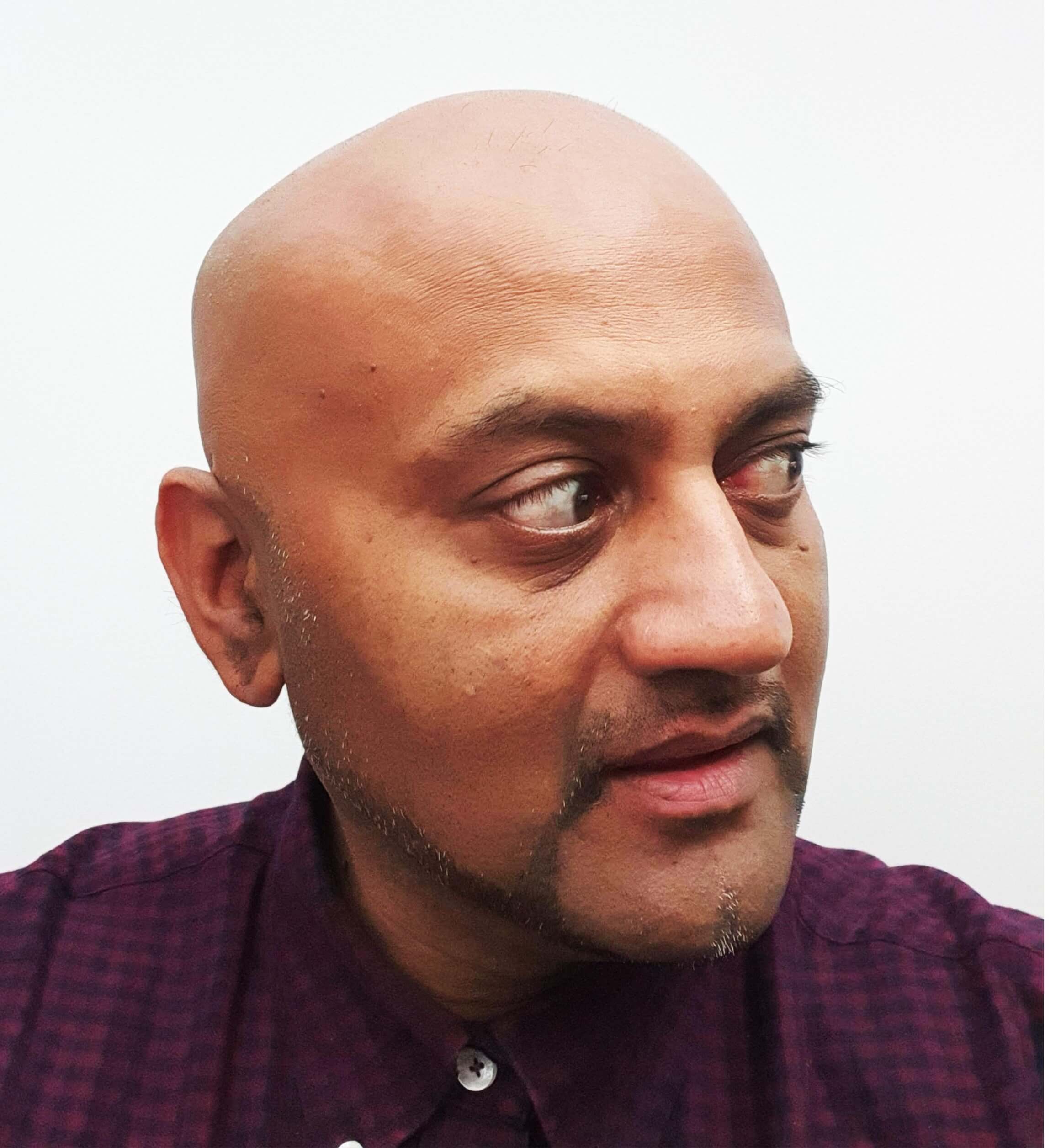
Dr Kenneth Sabir started at AgriWebb as the first employee 9 years ago as Head of Engineering and now leads the Research Group at AgriWebb as VP of R&D. The flagship AgriWebb research project is Foragecaster, a 4-year research consortium with the Food Agility CRC to help develop useful planning tools to improve productivity, resilience and sustainability for producers, working with a team of 36 people including AgriWebb, Cibo Labs, FlintPro, UTS and QUT. Prior to AgriWebb, Kenneth has delivered leading-edge software products for research and development companies including IBM, Bell Labs, CSIRO, Canon Research and the Garvan Institute of Medical Research. He has also created software for water engineering company Equatica and the Irrigation Futures CRC for managing water usage for rivers and irrigation.

Mick has worked in and around Agriculture and AgTech as a research scientist for the past 10 years, with a broad interest in precision agriculture, farming systems, remote sensing and IoT. Prior to moving to Food Agility, Mick was the Assistant Director and Science Team Leader of the Australian Plant Phenomics Centre at CSIRO in Canberra. He has a passion for applied research that has ‘real-world’ impact, connecting the dots between disparate research teams as well as business development and stakeholder engagement. As a result, Mick has built a large domestic and international network of peers and collaborators from both industry and academia.

Rob has more than 30 years industry experience and is recognised for his significant contribution to the Australian Pork Industry, through his expert knowledge of intensive animal production, animal welfare, environmental and waste management systems and commercialisation of innovative technologies. Rob has Chaired specialist R&D strategy groups for Australian Pork Ltd and was the commercialisation manager for the Pork CRC and R&D program manager for the Pork CRC for High Integrity Australian Pork.He is also past Chair of Pork Innovation WA, past Chair of Curtin Health Innovation Research Institute, past Chair of Agricultural Shows of Australia, Past President of the Royal Agricultural Society of WA, and was a Director of the Harvest Road Group Advisory Board for the Minderoo and Harvey Beef integration. Rob is a Senior Advisor with Beanstalk AgTech and the past Chairman of Westpork Pty Ltd, the largest pork production company in Western Australia.

Grant has deep experience in opportunity identification and evaluation, including in multi-billion-dollar due diligence evaluations. He joined Beanstalk after running the Corporate and Customer Strategy team at Bankwest, prior to which he spent six years at the Boston Consulting Group where he worked with some of the world’s most innovative companies in BCG’s Perth, London, Stockholm, Santiago and Sydney offices.
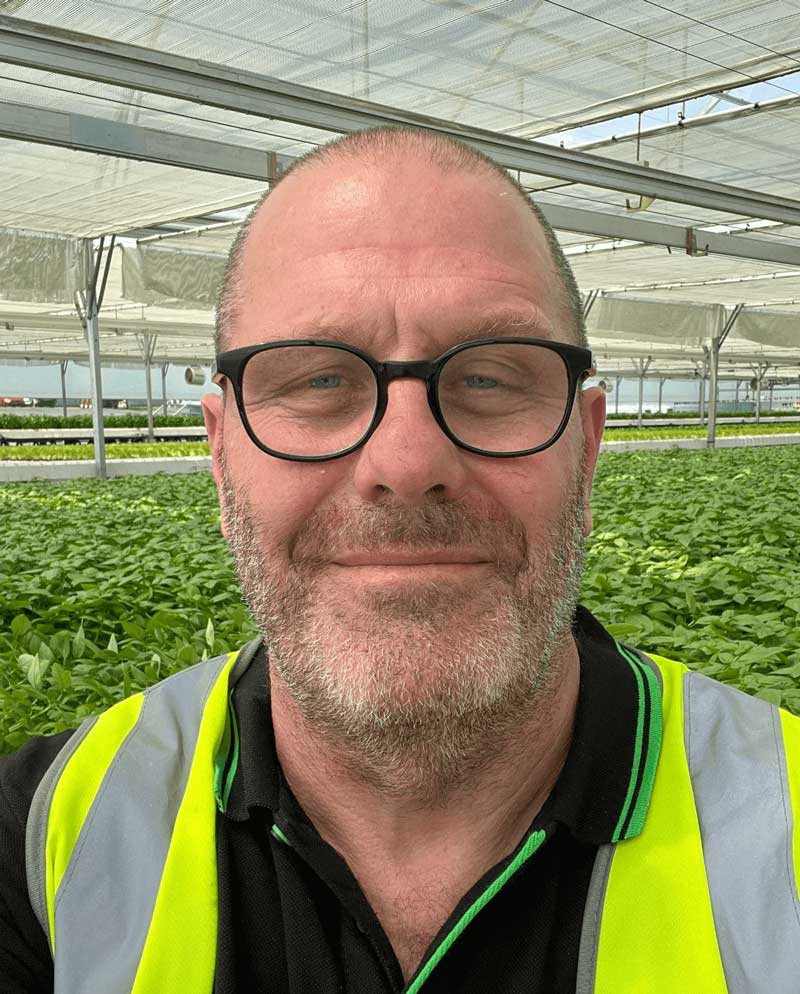
Greg Calvert is a results-oriented business owner and associate specializing in everaging technology and optimizing operational processes to drive growth. His core competencies include retail technology implementation, sales and category management, logistics optimization and e-commerce strategy. He possesses a strong understanding of digital transformation and its application to enhance efficiency and create competitive advantage.

Harley Thomas is the Chief Technical Officer and Product Manager at Trust Provenance, where he leads the development of digital solutions that enable trusted, interoperable supply-chain transparency. He is the Technical Working Group Lead for the United Nations Transparency Protocol (UNTP), the Australian Agricultural Traceability Protocol (AATP) Lead, and the technical lead for the United Nations Textile Transparency Protocol. Harley has worked extensively across Australian agricultural commodities and products, including grain, livestock, horticulture, seafood, and Indigenous bushfoods, developing solutions used by farmers, producers, manufacturers, processors, exporters, and certifiers. He played a key role in the development of the AgTrace projects, which directly contributed to the creation of the Australian Agricultural Traceability Protocol. Sitting at the intersection of product strategy, software engineering, and global standards, Harley is deeply passionate about understanding emerging voluntary and mandatory transparency requirements. His focus is on translating policy and protocol intent into practical, scalable systems that work in real-world supply chains and support long-term industry transformation.
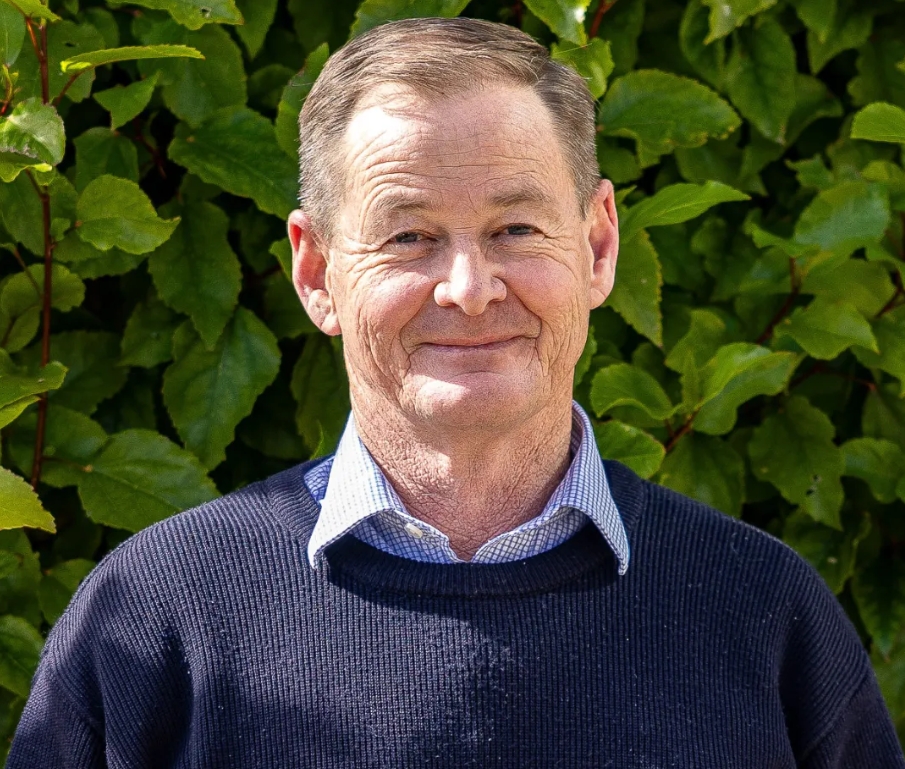
Jonathan Medway is the Head of Digital and Sustainable Agriculture at the Charles Sturt University AgriPark with more than 35 years' experience working to improve agricultural management systems. Understanding the capability and application of digital technologies for dryland and irrigated cropping, livestock and intensive industries has been the central focus of his research and consultancy activities since the early 1990s. With a diverse range of theoretical, technical and practical skills Jonathan brings a deep understanding of Australian agriculture and technology capability to projects requiring integrated thinking and solutions. As President of the Society of Precision Agriculture Australia, a national grower-based organisation Jonathan is working within a team that continues to deliver multiple national grain technology extension programs/projects developing innovative approaches to drive producer adoption.\ Jonathan is working closely with Food Agility, AgriPark and researchers from across CSU to design and implement the Global Digital Farm Initiative that is transforming the CSU farm into a working landscape laboratory showcasing the application of artificial intelligence, autonomous capabilities and an extensive range of digital technologies to commercial scale farm operation.
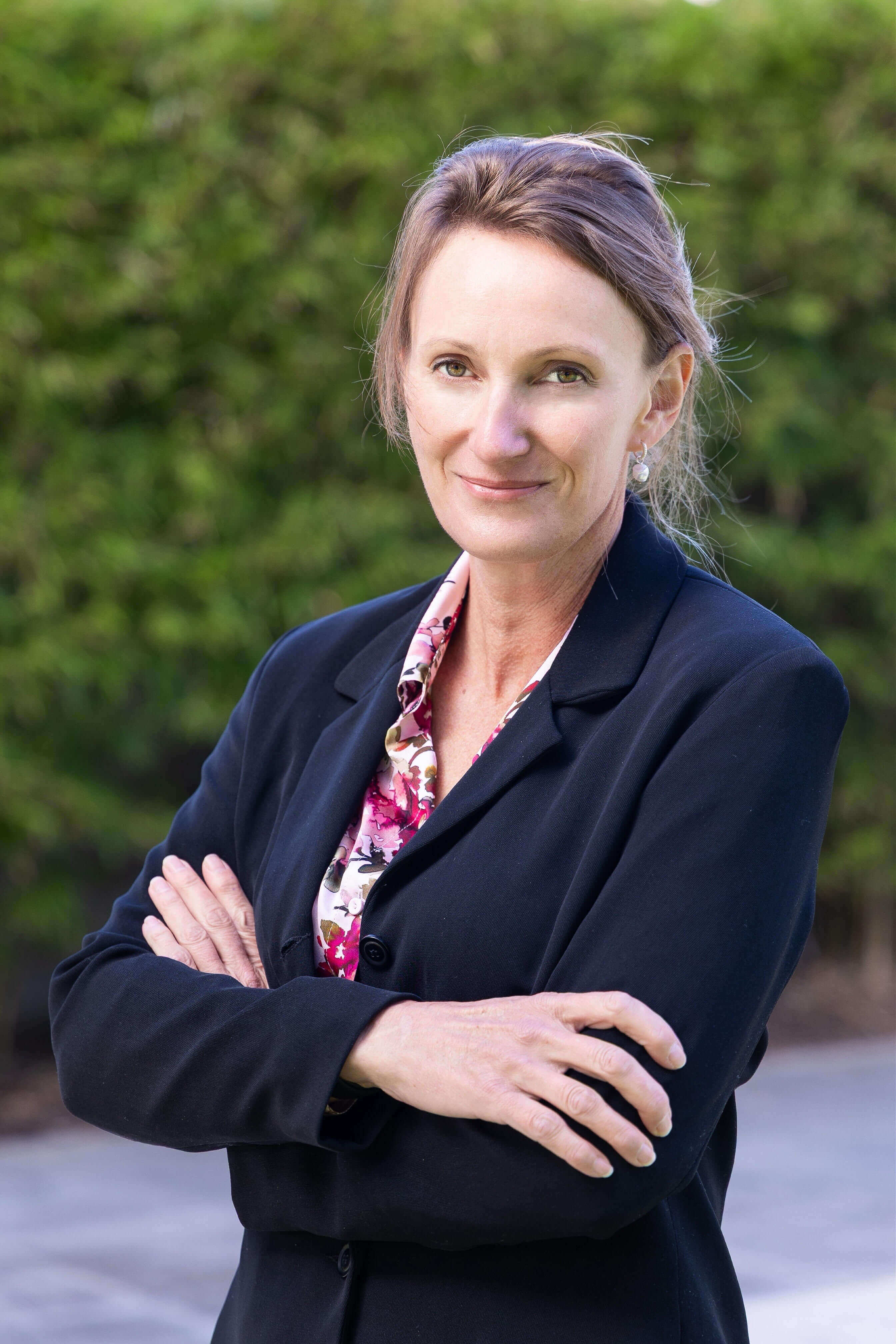
Kaara Klepper is the Executive Director of Broadacre Systems at the Department of Primary Industries and Regional Development (DPIRD), Western Australia. She brings extensive experience in research, development and extension (RD&E) and investment management across the public and private sectors, having built strong national and international relationships throughout her career. Raised on a family farm in New South Wales, Kaara began her career in agricultural research before moving into leadership roles that connected science, policy and industry.
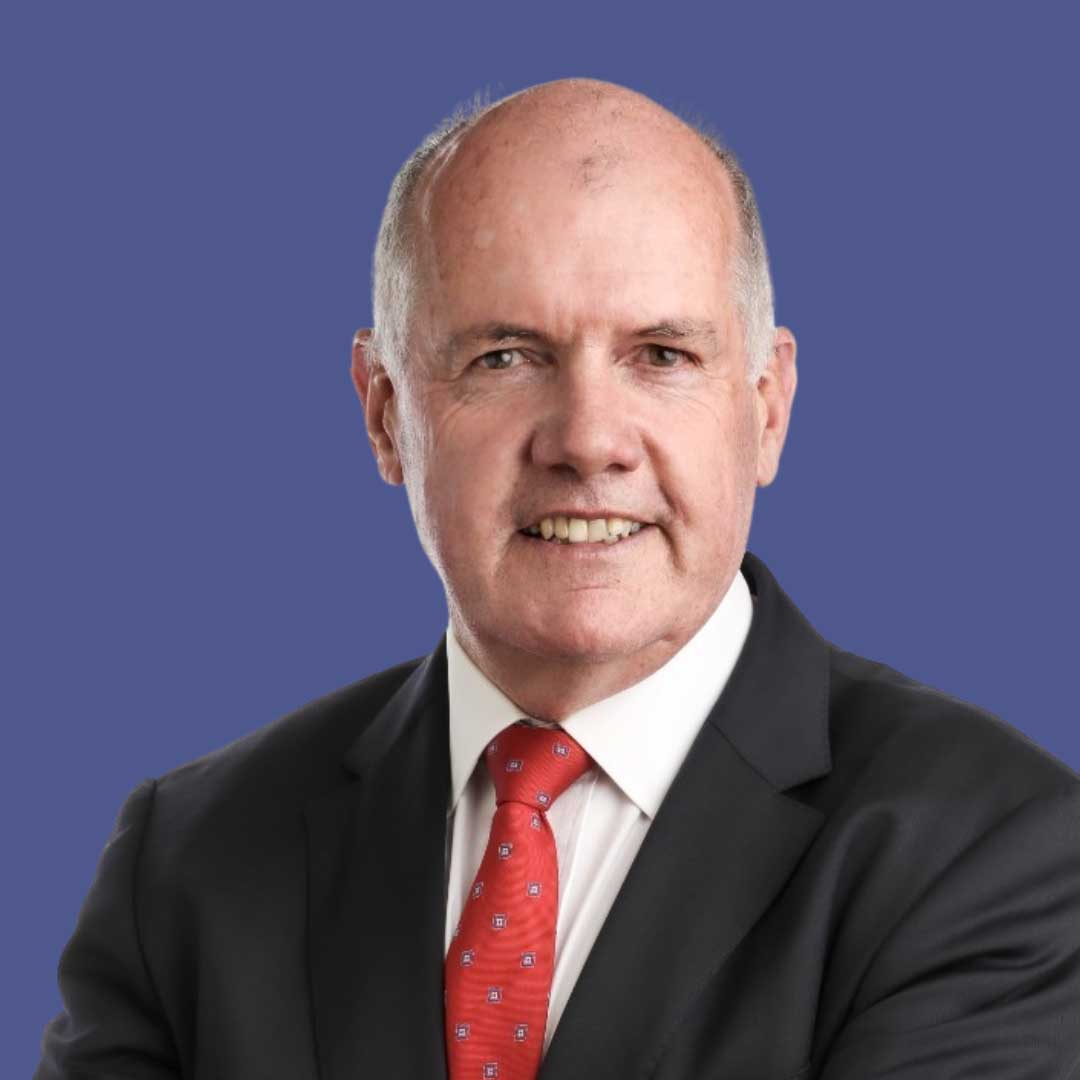
Mick is currently the Deputy Chair of the Australian Competition and Consumer Commission (ACCC), a position to which he was appointed in June 2018, after two years as a part time ACCC Commissioner. He holds bachelor's and master's degrees in agriculture, both obtained at the University of NSW. His career has included periods of employment as a farm manager, a university researcher, an agribusiness consultant and an agricultural lobbyist and policy advisor. In 2003 he was appointed as the foundation Executive Director of the Australian Farm Institute, a role in which he continued until June 2018. In 2011 he was appointed Chairperson of the Australian Government panel to review drought policy in Australia. Following this, from 2012-2015 he acted as Chairman of the Australian Government’s National Rural Advisory Council which preceded his ACCC appointment. Mick was also a member of the Australian Government’s Emission Reduction Assurance Council from 2017 to 2024. He currently holds interests in several broadacre farming businesses in southern NSW.

Naomi is the Head of Environment and Sustainability for Australia’s largest integrated beef producer - Australian Agricultural Company. With over 25 years’ experience in environmental management and sustainable agriculture, she is taking a leading role in bringing a Nature Positive approach to agricultural production in northern Australia.
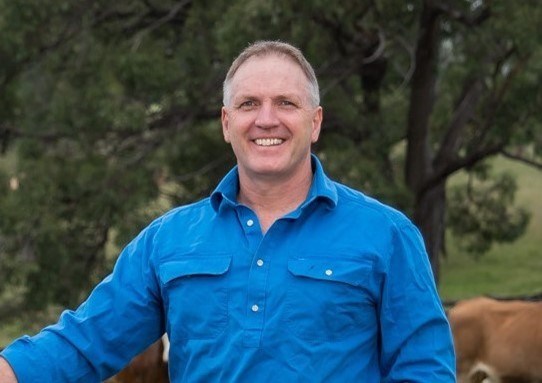
Phil is a co-founder and Managing Director of Cibo Labs. He has a background in agriculture, growing up on mixed farms in southern Australia. Phil has over 30 years' experience in the application of geospatial and remote sensing solutions focused on natural resource management, agriculture and climate change. He has worked in both private and government sectors undertaking applied research, providing science-policy advice, and leading national research and operational programs. Phil is passionate about delivering pragmatic solutions that support profitable farm businesses, the broader agricultural sector and more sustainable landscapes.
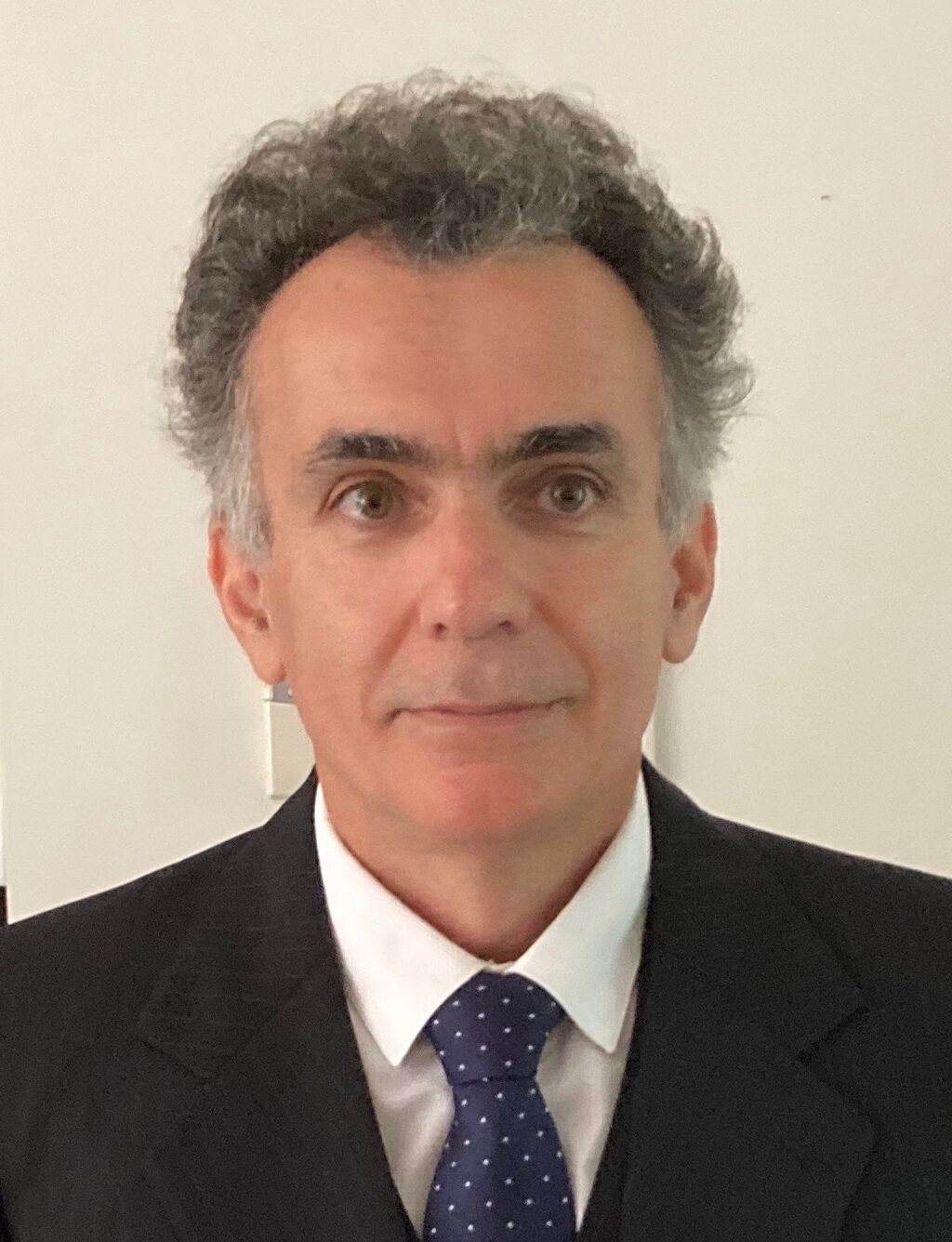
Ali Bab-Hadiashar is Professor of Engineering and Research Leader of the Intelligent Automation Group at RMIT University. He has experience in computer vision, AI, and robotics, with a career spanning foundational algorithm development and large-scale industry collaborations. His work blends deep technical research with practical impact, delivering AI-driven automation solutions for meat production and advanced manufacturing.
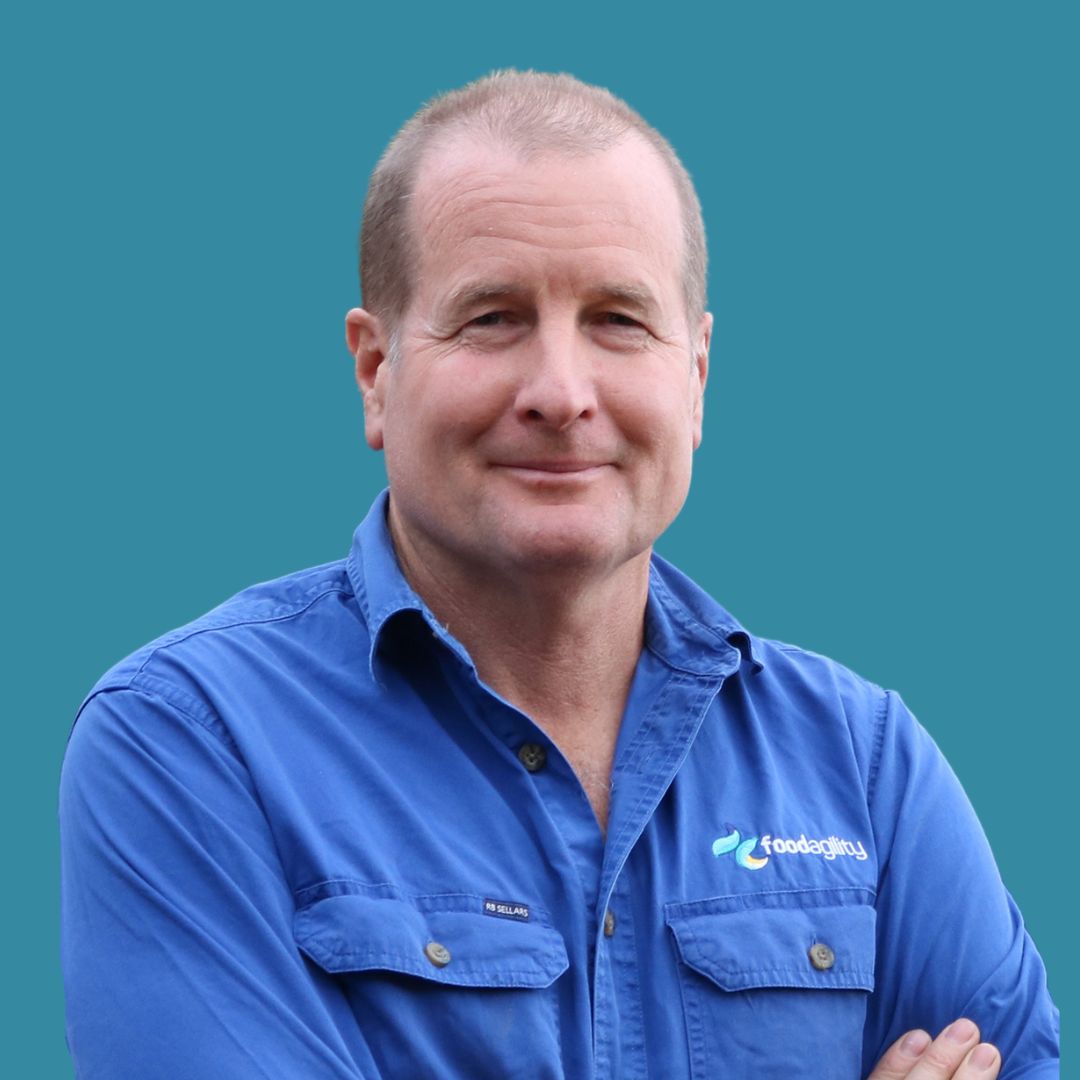
Professor David Lamb is a physicist and has worked in precision agriculture for more than 25 years. In this time, he has led more than 40 R&D projects and championed the concept of smart farming. He led the launch of Australia’s first SMART Farm at the University of New England and, more recently, the Global Digital Farm at Charles Sturt University in Wagga Wagga, NSW. A passionate advocate for rural and regional connectivity, and STEM-led innovations in farming, David has completed numerous reviews of telecommunications challenges and opportunities for Australian agriculture. He is also an advisor on many agricultural sector-specific technical innovation groups and communities of interest. David currently serves as Australian representative for the International Society for Precision Agriculture. In 2016 he received the McClymont Distinguished Professorship (Research) at UNE in recognition of his ongoing service to agriculture innovation and research leadership, and in 2022 the Pierre C. Robert Award from the International Society of Precision Agriculture for his contribution to precision agriculture science and technology.
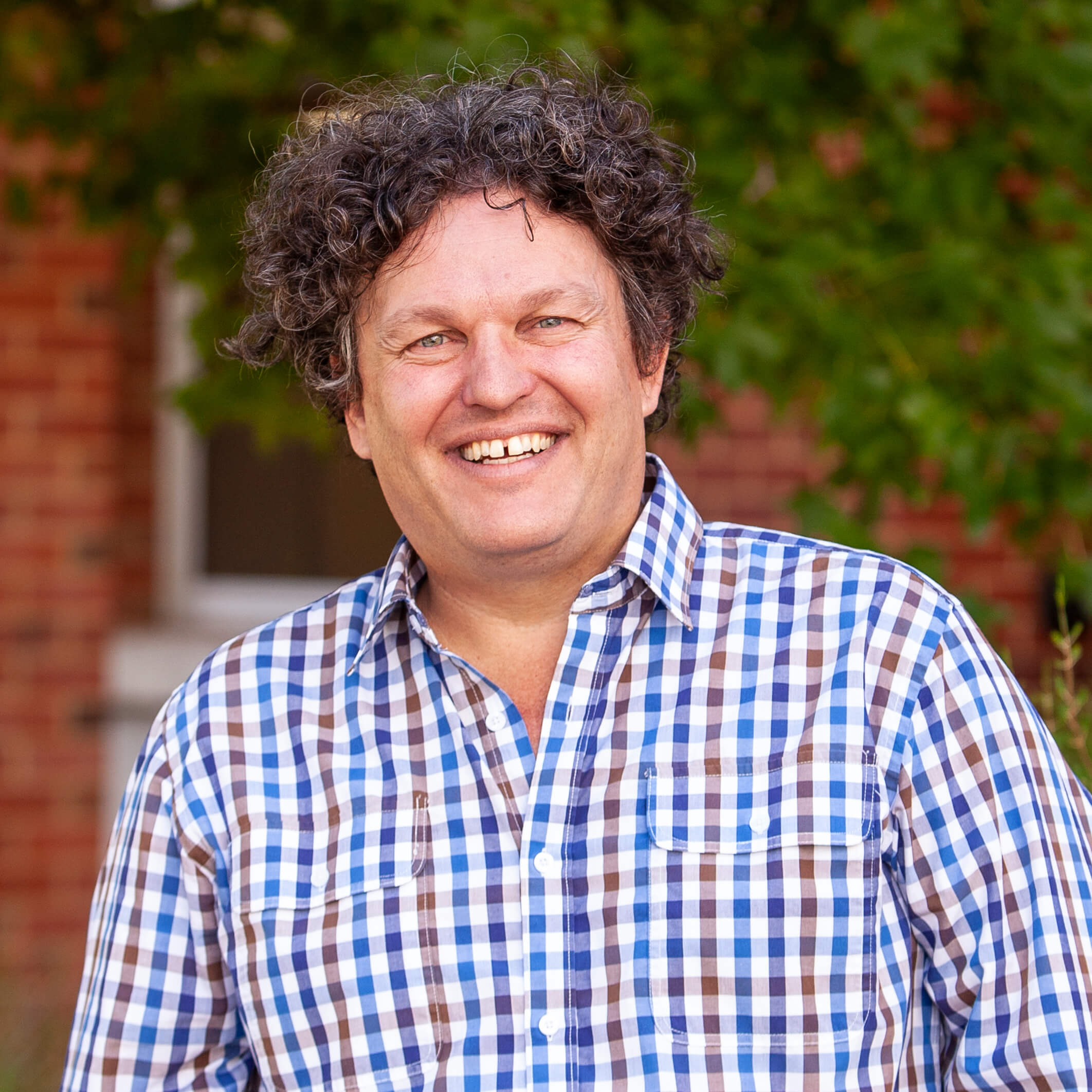
Josh Byrne is an environmental scientist and urban design professional whose career intersects professional practice, academia, policy and media. He is Dean Sustainable Futures in the Faculty of Humanities at Curtin University where he supports teaching, research and engagement, and is well versed in the nuances of CRCs. He is Chief Investigator in the Pathways to Net Zero Precincts project with the RACE for 2030 CRC and led projects under the CRCs for Low Carbon Living and Water Sensitive Design. Josh is well known for his role on ABC TV’s Gardening Australia program where he showcases how gardening can contribute to sustainability. In January 2025 he was appointed a Member of the Order of Australia (AM) for significant service to conservation and the environment, and as a media presenter and author.
Richard Archer is a Systems Analyst Programmer and Program Delivery Manager at the Centre for eResearch and Digital Innovation (CeRDI), Federation University Australia. With qualifications in Computer Science from the University of Melbourne and Federation University, complemented by studies in Horticulture, Richard brings a unique blend of technical expertise and agricultural domain knowledge to complex data infrastructure projects. At CeRDI, Richard specialises in requirements gathering and stakeholder engagement, bridging the gap between technical solutions and end-user needs. His work focuses on translating complex agricultural and environmental challenges into robust, user-centred digital platforms.

Richi Nayak is a Professor at the Queensland University of Technology (QUT) in Brisbane, Australia, where she leads research at the intersection of artificial intelligence and real-world societal challenges. Her work spans machine learning, multimodal learning, social media mining, deep neural networks and matrix/tensor factorisation, with impactful applications in Agriculture, Marketing and Digital Humanities. She has published more than 280 peer-reviewed papers, achieving an h-index of 39 and an i-index of 152. Her contributions have been recognised through multiple international best paper awards, QUT’s Postgraduate Research Supervision Awards, and the Women in Technology Infotech Outstanding Achievement Award. She holds a PhD in Computer Science from QUT and an M.Tech (Engineering) from IIT Roorkee, India.

Prof Shauna Murray leads a team at the University of Technology Sydney, investigating the ecology, genetics, detection, and toxicity of marine harmful algal blooms (HABs), as well as estuarine water quality and factors that impact it more broadly. Shauna’s research group has developed and commercialised a HAB detection tool and worked with the aquaculture industry to model estuarine and coastal water quality. She has worked in collaboration with the aquaculture and seafood industries and government. She is program director for the UTS Bachelor of Marine Biology and Climate Change.
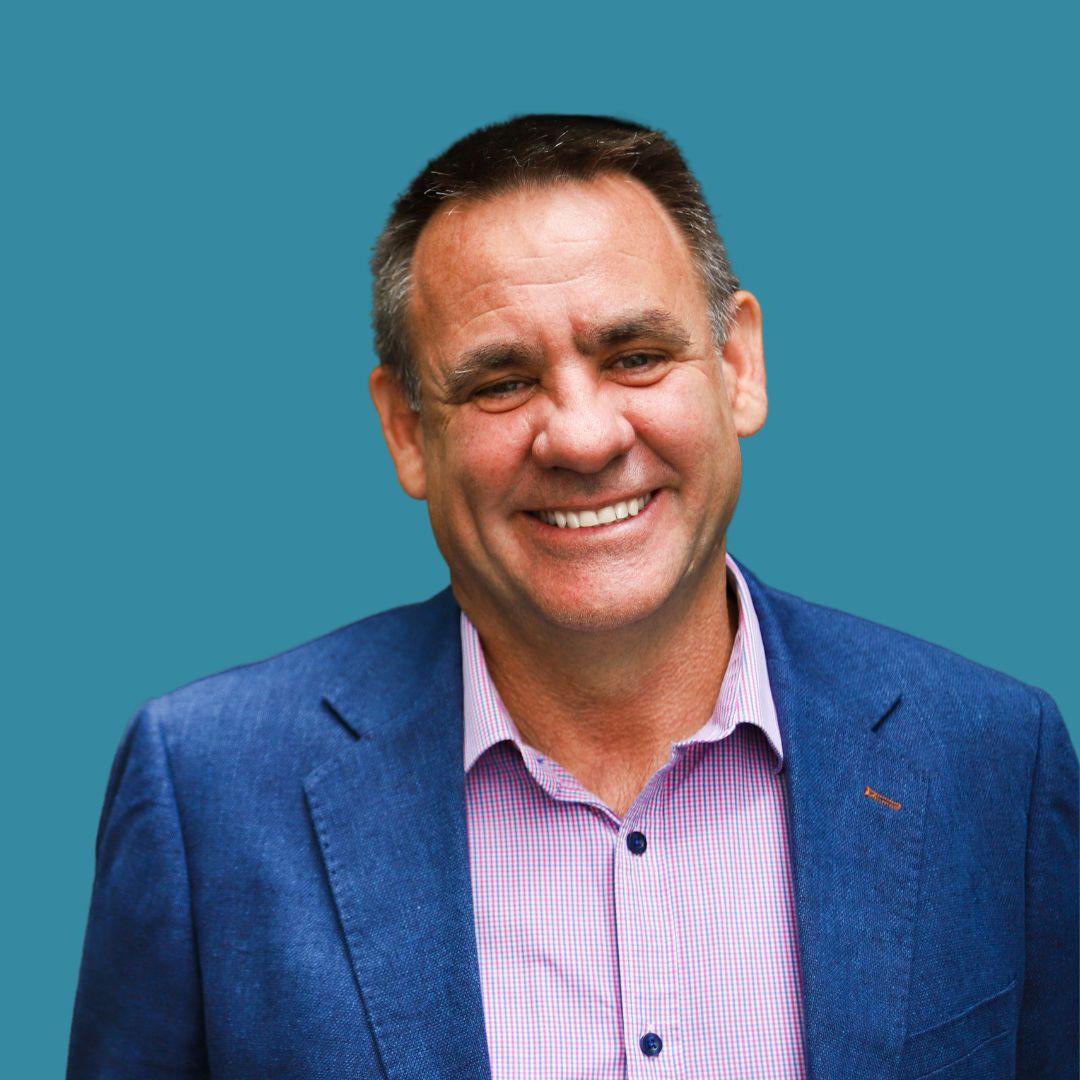
Richard has held executive positions in retail, innovation, logistics, marketing and agribusiness for over 30 years. This includes time as Managing Director of Meat and Livestock Australia, where he delivered global branding strategies for the red meat industry and ushered in sustainability targets. As Managing Director of Landmark Operations and as General Manager Retail at Elders, held responsibility for annual turnover of $1b and $90m EBITS with ASX listed companies. Currently, Richard is a non-executive director at Rifa Salutary Australia and PrimeSafe Victoria. Richard has previously held senior positions at Wesfarmers Dalgety, Toll Holdings, Woolworths and Coca Cola Amatil. He has also sat on the boards of Agrium Asia Pacific, Australian Wheat Board, RD1 New Zealand, Landmark Harcourts, Australian Wool Handlers, Australian Independent Rural Retailers, Titan AG, Integrated Traceability Solutions (Chair), and AuctionsPlus (Chair).

Australian satirical news website and digital media company, The Betoota Advocate, will be the MCs for the Gala Dinner. What can you expect from Errol Parker (Editor-at-large) and Clancy Overell (Editor)? You'll have to join us to find out.